Home Robot Injuries: Lawnmowers, Pool Cleaners & Household Robots
Robots are becoming a fixture in American homes. Robot lawnmowers from manufacturers like Husqvarna, Worx, and iRobot autonomously cut grass in backyards where children and pets play. Robotic pool cleaners from Dolphin, Polaris, and Pentair operate in swimming pools used by families. Robot vacuums roam through living spaces shared by elderly residents and young children. While these products promise convenience, they also introduce serious safety hazards into the home environment. If you or a loved one has been injured by a home robot, you may have a legal claim for compensation.
Home robot injuries are a growing area of personal injury law. Because these are consumer products sold directly to the public, strict product liability principles often apply. If a home robot accident left you or a family member hurt, an experienced product liability lawyer near you can help you file a claim and pursue the compensation you deserve. A free consultation can help you understand your legal options.
Robot Lawnmower Injuries: A Serious Risk to Children and Pets
Robot lawnmowers, including popular models like the Husqvarna Automower, Worx Landroid, and iRobot Terra, use sharp spinning blades to cut grass autonomously. These machines are designed to operate unattended, often running on programmed schedules including at night. This creates significant dangers, particularly for children and animals who may enter the mowing area without warning.
Reported robot lawnmower injuries include:
- Blade lacerations to children: Young children who crawl or walk into the path of an operating robot lawnmower can suffer severe cuts to their hands, feet, and toes. Toddlers are at particular risk because they are low to the ground and may not be detected by the robot's sensors.
- Pet injuries and fatalities: Dogs, cats, and other animals have been injured by robot lawnmowers. Animals may approach the robot out of curiosity or be sleeping in the grass when the mower passes over them. Injuries to pets can include deep lacerations, amputated tails, and severed paws.
- Sensor failures: Robot lawnmowers rely on sensors to detect obstacles and avoid collisions. When these sensors fail or are unable to detect small or low-lying objects, including children and animals, the consequences can be devastating.
- Boundary wire failures: Many robot lawnmowers use a perimeter wire to define their operating area. If the wire is damaged, improperly installed, or malfunctions, the robot may leave its designated zone and enter areas where people or animals are present.
Manufacturers of robot lawnmowers have a duty to design products with adequate safety features to prevent foreseeable injuries to children and pets. When they fail to do so, they may be held liable under product liability law.
Pool Cleaning Robot Injuries: Entrapment, Suction, and Electrical Hazards
Robotic pool cleaners from manufacturers such as Dolphin (Maytronics), Polaris, and Pentair are widely used in residential swimming pools. While these devices are intended to operate when the pool is not in use, they can present serious hazards:
- Entrapment hazards: Pool cleaning robots and their cords can create entrapment risks for swimmers, particularly children. A child's hair, limbs, or clothing can become caught in the robot's moving parts or tangled in its power cord, leading to drowning or near-drowning incidents.
- Suction injuries: Some pool cleaning systems use powerful suction that can trap body parts against drain covers or the robot itself. Suction entrapment can cause serious internal injuries, particularly to children.
- Electrical shock risks: Robotic pool cleaners operate using electricity in or near water. Defective electrical insulation, damaged power cords, or faulty transformers can expose swimmers to electrical shock, which can cause cardiac arrest, burns, or drowning due to muscle paralysis.
- Tripping and fall hazards: Pool robot power cords left around the pool deck can cause tripping injuries, resulting in falls onto hard surfaces or into the pool.
Pool-related injuries can be life-threatening, especially when children are involved. Manufacturers of pool cleaning robots must design products that minimize these foreseeable hazards and provide adequate warnings about safe use.
Robot Vacuum Injuries: Trip-and-Fall Hazards in the Home
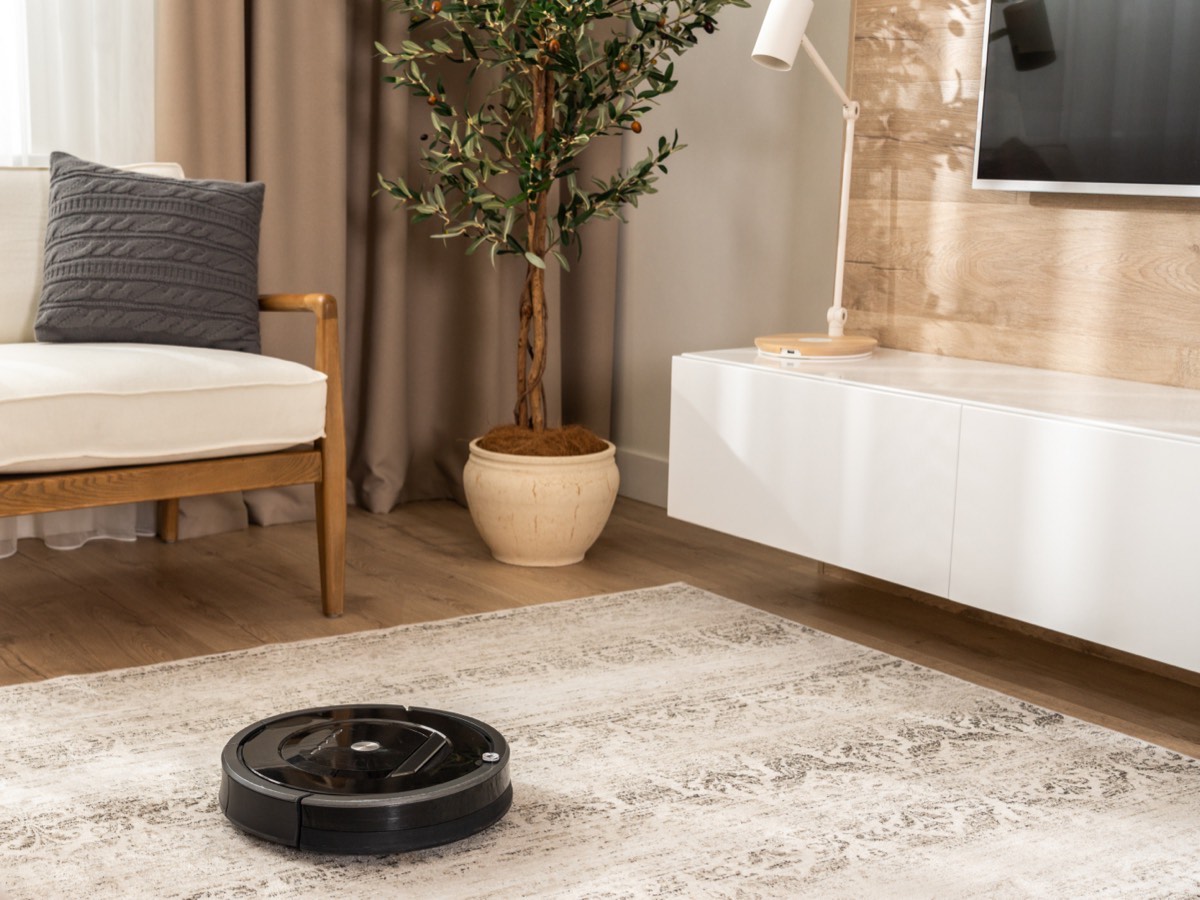
Robot vacuums like the iRobot Roomba are among the most common household robots. While often perceived as harmless, they create real injury risks, particularly for elderly individuals and others with mobility challenges:
- Trip-and-fall injuries: Robot vacuums that move unpredictably, operate in dimly lit areas, or position themselves in high-traffic zones like hallways and doorways can cause serious falls. For elderly individuals, a fall can result in broken hips, head injuries, and other life-altering harm.
- Nighttime operation hazards: Many robot vacuums are scheduled to run during the night or early morning. A person getting up in the dark may not see the robot and trip over it, leading to a fall.
- Stairway hazards: If a robot vacuum's cliff sensors fail, it can tumble down stairs, potentially striking a person below or creating an obstacle on the stairway.
Other Home Robots: Window Cleaners, Gutter Robots, and More
The range of robots used in and around the home continues to expand. Other home robots that have caused or may cause injuries include:
- Window cleaning robots: These robots attach to glass surfaces using suction and move across windows to clean them. If the suction mechanism fails, the robot can fall from a height, striking a person below or causing property damage. A falling robot from an upper-story window poses a serious risk of head injury or death.
- Gutter cleaning robots: Robotic gutter cleaners operate at roof level and can fall if they malfunction, potentially injuring people on the ground below. They may also cause water damage or structural issues if they malfunction while in operation.
- Home security and companion robots: Autonomous home robots designed for security or companionship move through the home and can create collision and tripping hazards similar to robot vacuums, but are often larger and heavier.
Product Liability and Home Robots: Who Is Responsible?
Home robots are consumer products, and injuries caused by defective consumer products are subject to product liability law. In many states, strict liability applies, meaning the injured person does not need to prove the manufacturer was negligent — only that the product was defective and the defect caused the injury.
The Robot Manufacturer
Manufacturers like Husqvarna, iRobot, Maytronics, Worx, Polaris, and Pentair may be liable if their product had a design defect (the product was inherently unsafe), a manufacturing defect (something went wrong during production), or a failure to warn (the product lacked adequate warnings about foreseeable dangers). For robot lawnmowers, this includes the duty to design adequate safety features to protect children and pets.
The Retailer or Distributor
In many states, retailers and distributors in the chain of distribution can be held strictly liable for selling a defective product, even if they did not manufacture it. This means major retailers that sell home robots may share liability for injuries caused by those products.
The Installer or Service Provider
If a home robot was professionally installed — as is common with robot lawnmowers and some pool cleaning systems — and the installation was negligent or improper, the installer may be liable. This includes incorrect placement of boundary wires, improper electrical connections, or failure to configure safety settings properly.
An experienced attorney can investigate your case and identify every potentially responsible party to maximize your recovery. Request your free case review to get started.
Children and Pets: Especially Vulnerable to Home Robot Injuries
Children and pets face disproportionate risks from home robots, particularly robot lawnmowers and pool cleaning robots. Young children are naturally curious, may not understand the danger posed by a robot, and are often too small to be reliably detected by a robot's safety sensors. Pets may approach a robot out of curiosity or be resting in areas where the robot operates.
Under product liability law, manufacturers must design their products to account for foreseeable misuse and foreseeable users. A robot lawnmower marketed for residential use operates in an environment where children and pets are expected to be present. If the robot's safety features are inadequate to protect these foreseeable users, the manufacturer may be held liable for resulting injuries.
If your child or pet was injured by a home robot, an attorney can help you understand your legal options and pursue the compensation you deserve.
Types of Compensation Available for Home Robot Injuries
If you were injured by a home robot, you may be entitled to recover several categories of damages. The specific compensation available depends on the nature and severity of your injuries and the circumstances of the accident.
- Medical Expenses: Compensation for all medical treatment related to your injury, including emergency room visits, surgeries, hospital stays, physical therapy, rehabilitation, prescription medications, and any future medical care you may need.
- Lost Wages and Earning Capacity: If your injury caused you to miss work or has reduced your ability to earn a living, you may recover compensation for both past lost wages and future diminished earning capacity.
- Pain and Suffering: Non-economic damages compensate you for the physical pain, emotional distress, anxiety, and reduced quality of life resulting from your injury. Blade injuries, burns, and electrical shock can cause lasting physical and psychological harm.
- Disfigurement and Permanent Disability: Home robot injuries, particularly those involving lawnmower blades or electrical shock, can cause lasting harm such as scarring, loss of digits, nerve damage, or permanent mobility limitations.
- Punitive Damages: If the manufacturer knew of a safety defect and failed to issue a recall or adequate warnings, a court may award punitive damages to punish the wrongdoer and deter similar conduct.
- Wrongful Death: If a loved one was killed in an accident involving a home robot, surviving family members may be entitled to compensation for funeral expenses, loss of financial support, loss of companionship, and other damages through a wrongful death claim.
Every home robot injury case is unique, and the value of your claim depends on many factors. A free case evaluation can help you understand the full scope of compensation you may be entitled to receive.
Related Articles
Frequently Asked Questions
Can I sue if a robot lawnmower injured my child or pet?
Who is liable for a home robot injury?
What types of injuries do robot lawnmowers cause?
Are pool cleaning robot injuries covered by product liability law?
Can I file a claim if I tripped over a robot vacuum?
What compensation can I receive for a home robot injury?
Is there a time limit for filing a home robot injury claim?
The information on this page is for general educational purposes only and does not constitute legal advice. Injured By Robots LLC is not a law firm and does not provide legal services. Statutes of limitations, filing deadlines, and legal procedures vary by state and are subject to change. This content may not reflect the most current laws in your jurisdiction. No attorney-client relationship is formed by reading this content or submitting a case review. For advice about your specific situation, consult a licensed attorney in your state.